
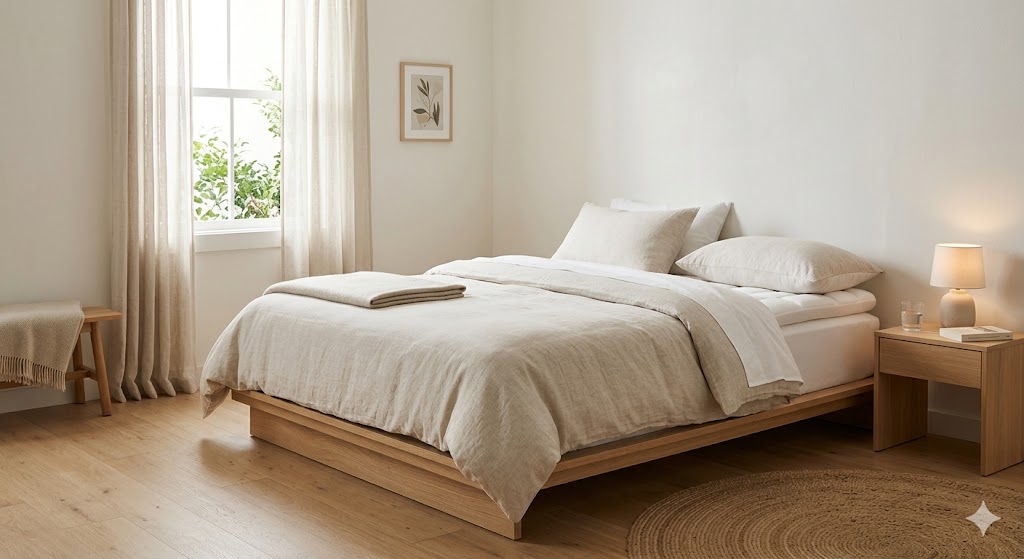
Fibromyalgia is associated with heightened sensitivity to pressure and temperature, so a sleeping surface that feels fine to someone else can feel like a row of sore spots by morning. The job of a good topper here is gentle, even support that spreads body weight rather than concentrating it.
A topper cannot calm a flare or change the condition, but the right one can take sharp pressure off the hips, shoulders, and knees and hold a steadier temperature through the night. This guide focuses on soft, body-contouring picks that aim for comfort without trapping heat.
It helps to think of a topper as removing an obstacle rather than providing a remedy. It cannot quiet the nervous system, but it can stop the bed itself from pressing on the very points that are already sore, and for many people that single change makes settling in at night noticeably easier.
This guide is for general comfort and shopping information only and is not medical advice. A mattress topper or pillow can support more comfortable rest, but it does not diagnose or treat any condition. Talk with a qualified clinician about persistent or worsening symptoms.
Disclosure: RestRight is reader-supported. As an Amazon Associate, we earn from qualifying purchases made through links on this page, at no extra cost to you.
Quick Verdict
For most people with fibromyalgia, a plush body-contouring foam topper that cradles pressure points without overheating is the most comfortable starting point. The ViscoSoft pillow top does this best here, with cooling and budget alternatives close behind.
What to Look for in Mattress Toppers for Fibromyalgia
Even pressure distribution is the priority. Foam that contours to the body spreads weight across a wider area, which can ease the tender points that make lying still uncomfortable. Look for a plush, slow-contouring feel rather than a firm one.
Temperature stability helps. Many people with fibromyalgia are sensitive to heat as well as pressure. Gel-infused and open-structure foams stay cooler than dense traditional foam, which can reduce the warm, restless waking that breaks up sleep.
Thickness affects relief. A thicker topper sinks the heaviest parts of the body in for deeper cushioning, while a thinner one offers lighter relief and keeps the surface more responsive. If pressure points are your main complaint, lean thicker.
Watch the firmness trade-off. Too soft and the spine loses support, too firm and tender points take the brunt. A medium-plush feel usually balances cushioning with enough support to keep alignment comfortable.
Surface texture and cover. A soft, smooth cover adds to the gentle feel, while a rough or stiff one can irritate sensitive skin. A removable, washable cover also makes it easier to keep the surface clean and comfortable.
Ease of handling on bad days. On a high-pain day, wrestling a heavy topper to make the bed is the last thing you need. A lighter or mid-weight topper, or one with straps, is far easier to manage when you are already sore.
1. ViscoSoft 4-Inch Pillow Top Memory Foam Topper: Best Overall
For widespread tenderness, this plush pillow-top layer cradles the body and spreads weight so no single pressure point bears the load. It is the gentlest all-rounder here for sensitive sleepers.
The quilted cover adds a soft hand-feel, and the depth lets sore hips and shoulders settle in rather than press against a firm surface.
On a flare day, the deep cushioning gives sore spots somewhere soft to land, and a thin breathable protector keeps the surface easy to clean without adding firmness.
Who should skip it: Skip it if you need a firmer, more supportive feel for back comfort, since deep plush foam may feel like too much give.
Check Price on Amazon2. Lucid Gel Memory Foam Topper: Best Balanced Feel
For those who want contouring without sinking too far, this gel foam cushions tender points while staying easier to move on during a restless night.
The gel helps temper heat, which suits sleepers whose sensitivity includes feeling too warm.
Its balanced feel makes it easier to shift position during a restless night, which matters when staying in one spot too long adds to the ache.
Who should skip it: Skip it if your priority is the softest, deepest cushioning rather than a balanced surface.
Check Price on Amazon3. Linenspa Gel Memory Foam Topper: Best Budget
For a low-cost way to test whether added cushioning eases your mornings, this gel foam delivers gentle relief without a big commitment.
A lighter profile refreshes a mattress that has grown too firm, a common trigger for pressure-point soreness.
As a low-cost layer, it is a sensible first step to test whether added cushioning eases your mornings before committing to a thicker, plusher topper.
Who should skip it: Skip it if you want the deepest pressure relief, since a budget layer feels firmer than the plush picks here.
Check Price on Amazon4. Sweetnight Gel Memory Foam Topper: Best Medium Support
For sleepers who need cushioning but cannot lose spinal support, this medium-feel topper softens pressure points while keeping the back comfortable.
It works well for combination sleepers who shift positions to stay ahead of stiffness.
The medium feel keeps the back supported while still softening tender points, a balance that suits people who cannot tolerate either extreme.
Who should skip it: Skip it if you want a distinctly plush, sink-in surface.
Check Price on Amazon5. Novilla Cooling Gel Mattress Topper: Best for Heat Sensitivity
For those whose flares feel worse when overheated, this topper prioritizes drawing heat away from the surface.
Paired with breathable bedding, it helps hold a steadier temperature so warmth is less likely to wake you.
Pair it with light, breathable bedding and a cooler room so the gel can do its job, since trapped heat tends to make sensitive sleepers more restless.
Who should skip it: Skip it if you run cold and prefer a surface that retains a little warmth.
Check Price on Amazon6. MLILY Bamboo Memory Foam Topper: Best Body-Contouring
For deep, even cradling across the whole body, this bamboo-infused foam hugs the contours and softens broad areas of tenderness.
The slow contour suits sleepers who lie still and want the surface to mold around them.
The slow, deep contour rewards lying still, so it suits sleepers who settle into one position rather than those who turn frequently.
Who should skip it: Skip it if you reposition often and dislike the slow, sink-in feel of denser memory foam.
Check Price on AmazonQuick Comparison of Mattress Toppers for Fibromyalgia
| Pick | Best for | Feel |
|---|---|---|
| ViscoSoft Pillow Top | Overall gentle relief | Plush, contouring |
| Lucid Gel | Balanced feel | Medium, responsive |
| Linenspa Gel | Budget relief | Medium, lighter |
| Sweetnight Gel | Medium support | Medium |
| Novilla Cooling Gel | Heat sensitivity | Cool, cushioned |
| MLILY Bamboo | Body-contouring | Plush, slow |
Setting Up the Gentlest Possible Surface
Pair the topper with the right bedding. A breathable, smooth cover and light sheets let the cushioning do its work without trapping heat against sensitive skin. Heavy flannel or a stiff cover can undo the comfort a soft topper provides, so keep the layers above it light and gentle.
Give the foam time to soften. Contouring foam reaches its plushest feel once it has fully expanded and warmed to room temperature. Unwrapping the topper ahead of time and letting it settle means the first night feels the way it should, rather than firmer than expected.
Plan for flare days. On harder days, the deep cushioning of a plush topper gives tender areas a softer place to rest, and being able to shift position easily helps avoid the soreness of lying too long in one spot. A balanced feel that still allows movement can matter as much as raw softness.
Keep the surface clean and cool. A washable protector that does not add firmness keeps the topper fresh, and a cooler room helps the gel or open-structure foams hold a steadier temperature through the night.
When to Look Beyond a Topper
A topper changes the surface you lie on, not the support beneath it. If the mattress underneath is old, sagging, or simply too firm at its core, even the plushest topper will struggle to make it comfortable, and the pressure points it is meant to relieve keep returning.
Notice what changes and what does not. If a new topper helps for a while but the deep ache comes back, or if you feel the hard mattress through the cushioning, the base is likely the real issue. A surface layer can only do so much over a support core that no longer gives.
When that happens, choosing a mattress with the right feel from the start is the better path, and our guide on how to choose a mattress covers how firmness and materials affect sensitive sleepers.
Giving a New Topper a Fair Chance
A new surface takes some getting used to. The first nights on any topper can feel different rather than instantly better, partly because the foam is still settling and partly because your body adjusts to a new feel. Give it a fair run before deciding, while paying attention to how your mornings feel rather than just the first impression.
Judge it by the mornings. The useful question is whether you wake with less sharp pressure soreness and whether settling in at night feels easier, not whether the topper made the bed feel luxurious. For sensitive sleepers, gentler and steadier usually beats dramatically soft.
Keep what works repeatable. If a particular setup, a plush topper, breathable sheets, and a cooler room, helps on good nights, recreate it consistently. A predictable, gentle sleep surface is one of the few bedroom variables you can control, even when the condition itself is not.
And be honest about the limits. If night after night the same deep ache returns regardless of the surface, the topper has done its job and the rest belongs to the care plan you work out with a clinician, not to bedding.
Our Verdict
Start with the problem that wakes you most. If it is sharp pressure under the hips and shoulders, the ViscoSoft pillow top or the MLILY bamboo foam give the deepest, most even cushioning. If heat is the trigger, the Novilla cooling gel earns its place first.
None of these toppers treat fibromyalgia, and a flare can override any mattress change. What a good topper can do is remove one avoidable source of discomfort, a surface that presses where you are already tender. That alone can make the difference between fighting the bed and settling into it.
Above all, keep expectations realistic and the setup gentle: a light, breathable surface that cushions without overheating gives you the best chance of a calmer night, even though no bedding can change the condition itself.
Related Reading
Keep going with how to choose a mattress, toppers for arthritis, electric blankets for fibromyalgia, relieving pain for better sleep. Also explore: pillows for fibromyalgia sufferers.
Frequently Asked Questions About Mattress Toppers for Fibromyalgia
Can a mattress topper treat fibromyalgia?
No. A topper is a comfort product, not a treatment, and it cannot calm a flare or change the condition. What it can do is reduce pressure-point discomfort so the bed itself is not adding to your soreness.
Is memory foam good for fibromyalgia?
Many people with fibromyalgia find that contouring foam feels gentler because it spreads body weight instead of concentrating it on tender points. The trade-off is heat, so a gel-infused or open-structure foam is often the better choice.
Soft or firm, which is better for fibromyalgia?
A medium-plush feel usually works best: soft enough to cushion tender points, but supportive enough to keep the spine comfortable. A surface that is too firm presses on sore spots, while one that is too soft can leave the back unsupported.
Will a topper make me too hot?
Dense traditional foam can trap warmth, which is why the cooling picks here use gel or a more open structure. If heat sensitivity is part of your experience, choose one of those and pair it with breathable sheets.
How thick should the topper be?
A thicker topper sinks sore areas in for deeper relief, while a thinner one offers lighter cushioning and an easier surface to move on. If pressure points are your main issue, lean toward a thicker, plusher option.
When should I talk to a doctor?
If pain regularly disrupts your sleep, spreads, or comes with new symptoms such as swelling, numbness, or fatigue that does not lift, speak with a clinician. Bedding can ease discomfort, but persistent or changing symptoms deserve proper care.
Can I use a topper on an adjustable bed?
Yes, foam toppers flex with an adjustable base. Use corner straps or a non-slip base so it stays aligned as the bed moves.
How do I keep the surface feeling fresh?
Use a breathable, washable protector and air the topper when you change the bed. This keeps it cleaner and helps manage the warmth that foam can hold.
More Mattress Guides
Recommended Reading
See also our guides to mattress toppers for sciatica.
