
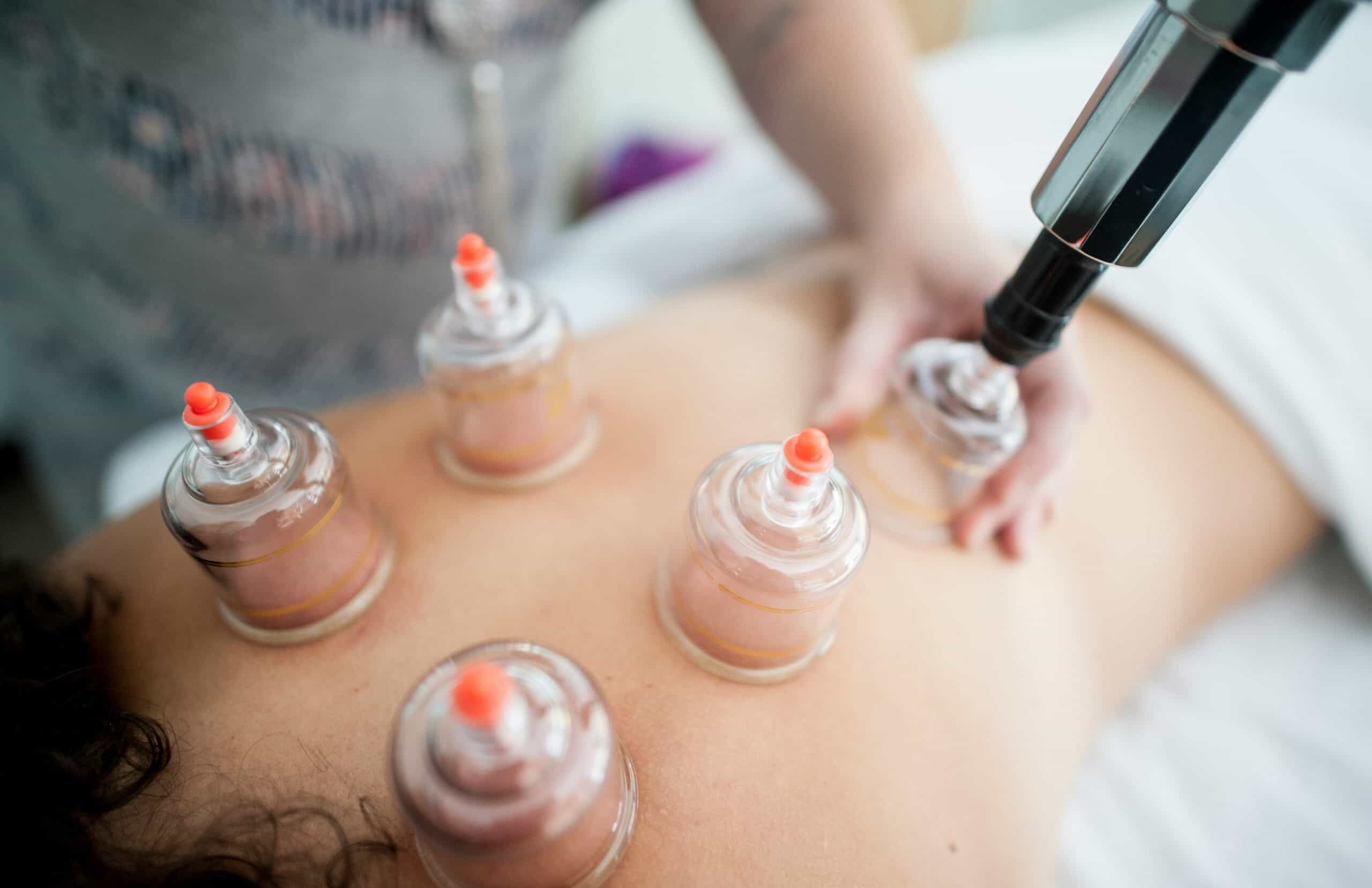
Is cupping worth trying for tight shoulders and a stiff back? It is cheap, it is low risk on healthy skin, and the evidence behind it is thin rather than absent. The best cupping sets for muscle tension are silicone cups, because you can squeeze, place and glide them one-handed and they cost very little to find out.
What cupping does is pull skin and the tissue under it upward. That is the opposite of what a foam roller or a massage gun does.
Whether that upward pull helps you is individual, and the honest answer is that nobody can tell you in advance. Our recovery tools for bedtime tension roundup covers the pressure-based alternatives.
Medical Disclaimer
This article is research, not medical advice. Cupping is a comfort practice with limited evidence and it treats no condition. Do not cup over broken skin, infections, varicose veins, moles or recent injuries, and see a doctor before starting if you take blood thinners, bruise easily, are pregnant, or have a skin or bleeding disorder. This article covers dry cupping only.
The Short Version
Silicone cups are the right starting point: cheapest, easiest to use alone, and the only type you can glide smoothly. Manual pump sets give precise suction for stationary work, glass needs a practitioner’s technique, electric units add heat, small cups suit awkward areas, and large cups cover a back efficiently. Expect marks, and expect the evidence to stay inconclusive.
Key Takeaways
- Cupping pulls tissue upward, which is mechanically the reverse of rolling or percussion.
- Silicone cups are squeeze-operated and the only practical choice for gliding.
- Pump sets allow graded suction and hold position without being held.
- The circular marks are bruising from small blood vessels, not toxins leaving the body.
- Evidence for lasting benefit is limited and study quality is generally poor.
- Blood thinners, bleeding disorders and fragile skin make this a medical question first.
How We Picked the Best Cupping Sets for Muscle Tension
We compared cup types rather than named products, because the specific sets rotate constantly while the mechanics stay identical.
Each section covers one type, who it suits and where it falls short. We weighted four things: how controllable the suction is, whether one person can use it alone, whether it allows gliding, and how easy it is to clean.
We have not published suction pressures or session durations. Those vary by product and by technique, and a figure quoted as a category rule would be invented precision.
On the evidence, the National Center for Complementary and Integrative Health states that studies of cupping have generally been small and of low quality, so firm conclusions are not available. MedlinePlus lists bruising and skin irritation among its expected effects. Neither supports treating cupping as a therapy, and we are not going to pretend otherwise.
1. Silicone Suction Cups, Best Overall
Why It Stands Out
Soft silicone cups work by squeezing the body of the cup, placing it, and letting go. The cup does the rest with no pump and no flame.
One-handed operation is what makes these usable alone. You can reach a shoulder or a thigh without help, which is not true of most alternatives.
They are also the only type that glides well. With a little oil you can draw a cup along a muscle rather than leaving it in one place.
Worth Knowing
Suction is set by how hard you squeeze, so it is approximate rather than graded. Consistency between sessions takes practice.
Silicone also loses elasticity over time and cheap sets go slack quickly. Thicker-walled cups last noticeably longer.
Best for anyone trying cupping for the first time and for gliding along large muscles. Our guide to sleeping better with chronic pain covers where a routine like this fits.
Check Price on Amazon2. Manual Pump Sets With a Hand Gun, Best Suction Control
Why It Stands Out
Rigid plastic cups attach to a hand pump through a valve, so each pull of the trigger adds a measured amount of suction.
That makes the intensity repeatable. You can start gentle, add one pull at a time, and reproduce the same setting next week.
These also hold their vacuum without being held, which frees both hands and lets several cups sit at once.
Worth Knowing
Reaching your own back with a pump and a cup at the same time is awkward. These work far better with a second person.
Rigid cups also cannot glide. This is stationary cupping only.
Best for graded, repeatable suction and for anyone with help available. Skip it if you will always be working alone.
Check Price on Amazon3. Glass Cups for Stationary Cupping, Best Traditional Option
Why It Stands Out
Thick glass cups are the traditional form, and they give the smoothest seal and the most even pull across the skin.
Glass also lets you see the skin inside the cup, which is the only reliable way to judge how a session is progressing.
They clean completely and do not degrade, so a glass set outlasts every other type here.
Worth Knowing
Traditional fire cupping heats the air inside the cup with a flame, and that is a practitioner technique rather than a home one. Glass sets sold with a pump avoid the flame entirely.
Glass is also heavy and breakable, and it does not glide.
Best for anyone working with a practitioner or wanting the most durable set. Do not attempt fire cupping at home.
Check Price on Amazon4. Electric and Rechargeable Cupping Devices, Best Combined Heat and Suction
Why It Stands Out
Battery units apply suction with a small pump and warm the skin with a heated plate, usually with several intensity levels and a timer.
The heat is the part most people notice. Warmth on a tight area is comfortable whether or not the suction adds anything.
A timer also prevents the most common home mistake, which is leaving a cup in place far too long.
Worth Knowing
These are the most expensive option by a wide margin and the most likely to fail, since they combine a pump, a battery and a heater.
Heat plus suction also raises the marking and the burn risk together. Use low settings and short sessions, and never on numb skin.
Best for anyone who wants warmth alongside the suction. If heat alone is what helps, our heating pads for back and neck picks cost far less.
Check Price on Amazon5. Small and Facial Cups, Best for Awkward Areas
Why It Stands Out
Small-diameter soft cups reach places a standard cup cannot seal against, including along the neck, around the shoulder blade and over a forearm.
A cup only works where it can make a full seal, so curvature rules out large cups on many of the places people most want to use them.
Gentler suction over a small area also makes these the mildest option, which suits sensitive skin.
Worth Knowing
Covering a large muscle with small cups takes a long time. These supplement a standard set rather than replacing it.
Cups sold for facial use are the gentlest of all and are not intended for muscle work.
Best alongside a standard set, for necks, forearms and bony areas. Our guide to sleep gear for neck and back tension covers the overnight side.
Check Price on Amazon6. Large Body Cups for Back and Thigh Work, Best Coverage
Why It Stands Out
Wide-mouth cups cover a large area in one placement, which makes working a whole back or a quadriceps practical rather than tedious.
Larger cups also distribute the pull over more skin at the same suction level, which many people find more comfortable than a small cup pulling hard.
For gliding along a long muscle, a big silicone cup covers ground faster than anything else.
Worth Knowing
Large cups need a flat surface to seal and will not hold on a curved or bony area. They are for backs, thighs and glutes only.
They also leave correspondingly large marks, which is worth knowing before a weekend with short sleeves.
Best for broad muscle groups and for anyone who finds small cups too intense. Compare the approach with our foam roller or massage gun guide.
Check Price on AmazonCupping Set Types at a Glance
| Type | Suction Control | Use Alone | Glides | Best Use |
|---|---|---|---|---|
| Silicone cups | By squeeze, approximate | Yes | Yes | First set, gliding |
| Manual pump set | Graded, repeatable | Hard on the back | No | Stationary, with help |
| Glass cups | Pump dependent | Hard on the back | No | Durability, practitioners |
| Electric heated unit | Levels plus timer | Yes | No | Warmth with suction |
| Small and facial cups | Gentle | Yes | Lightly | Necks and bony areas |
| Large body cups | Spread over more skin | Yes | Yes | Backs and thighs |
How to Choose a Cupping Set
Decide whether you need to glide
Gliding needs soft silicone and oil. Stationary cupping can use anything, including rigid cups held by a pump.
Account for working alone
If nobody is going to help, squeeze-operated silicone is the only type you will reliably use on your own back.
Check the wall thickness
Thin silicone goes slack within months. Thicker cups hold suction far longer and cost very little more.
Favor a timer if you buy electric
Leaving a cup on too long is the main cause of heavy marking. A timer removes the judgment call.
Buy a range of diameters
A single cup size fits a surprisingly small part of the body. Mixed sets are better value than they look.
Cupping or Pressure Tools?
What cupping does
It applies a sustained upward pull to skin and the tissue beneath it. Nothing else in a home recovery kit does that, which is the reason to try it.
What pressure tools do
Foam rollers, balls and massage guns push downward into tissue, and they have broader everyday use and a longer track record among the people who like them. If you only buy one category, our foam rollers and massage balls picks are the safer first purchase.
Common Cupping Misconceptions
That the marks show toxins being released
The circular marks are bruising, caused by small blood vessels breaking under suction. They are not a measure of how much the session achieved.
That darker marks mean it worked better
Darker marks mostly mean stronger suction or longer placement. Chasing them is how people end up with marks lasting a week or more.
That cupping treats an injury
It does not, and it should not be used over a recent injury, a strain or anything swollen. Those need assessment.
That fire cupping is a home technique
Heating the air with a flame requires training and carries a genuine burn risk. Home sets use squeeze or pump suction for good reason.
That more sessions must be better
Skin needs time to recover between sessions on the same area. Leave marks to fade before cupping the same spot again.
Recommended Reading
Best Cupping Sets for Muscle Tension FAQ
What are the best cupping sets for muscle tension?
Silicone cups suit most people, because they work one-handed, glide along muscles with a little oil, and cost very little. Manual pump sets give more precise and repeatable suction if someone can help you, and large body cups cover a back efficiently. None of these treats a condition.
Does cupping actually work for muscle tension?
Some people report it eases tightness, and it is low risk on healthy skin, which is why it is worth trying cheaply. The research is limited and generally low quality, so no firm claim about lasting benefit is supportable. NCCIH describes the evidence base as too weak for conclusions.
Why does cupping leave circular marks?
Suction draws blood toward the surface and small vessels break, which produces a bruise in the shape of the cup. The marks are a side effect of the pressure, not a sign of toxins leaving the body, and they usually fade within a week or so.
How long should you leave a cup in place?
Short placements are the sensible default, and shorter still the first time while you see how your skin responds. Longer sessions and stronger suction both produce heavier marking. Remove a cup immediately if it stings, pinches or feels numb.
Is cupping safe to do at home?
Dry cupping with silicone or pump sets is low risk on intact healthy skin. Avoid broken skin, infections, varicose veins, moles, recent injuries and anywhere with reduced sensation. Blood thinners, bleeding disorders, fragile skin and pregnancy all call for a doctor’s input first, and fire cupping should not be attempted at home at all.
Can you cup your own back?
With silicone cups, mostly yes, since you can squeeze and place them one-handed. Rigid cups with a hand pump are much harder to manage alone because both tasks need a hand in the same place. A long-handled applicator helps a little.
Should you use oil with cupping?
Oil is necessary for gliding and optional for stationary cupping. Too much oil stops a cup holding its seal, so a thin film is the target. Stationary cupping on dry skin holds better.
How often can you do cupping?
Leave each area long enough for any marking to fade before returning to it. Working different areas in between is fine. Frequent cupping of the same spot is how skin irritation happens.
When should I see a doctor instead?
See a doctor if muscle pain is severe, persistent, follows an injury, or comes with weakness, numbness or swelling, and before cupping if you take blood thinners or have a bleeding or skin condition. Tension that keeps returning despite a recovery routine is worth having assessed rather than managed indefinitely.
Sources
- National Center for Complementary and Integrative Health. Cupping. National Institutes of Health. https://www.nccih.nih.gov/health/cupping
- MedlinePlus. Bruises. National Library of Medicine. https://medlineplus.gov/bruises.html
- National Institute of Arthritis and Musculoskeletal and Skin Diseases. Sprains and Strains. National Institutes of Health. https://www.niams.nih.gov/health-topics/sprains-and-strains
- MedlinePlus. Muscle Aches. National Library of Medicine. https://medlineplus.gov/ency/article/003178.htm
