
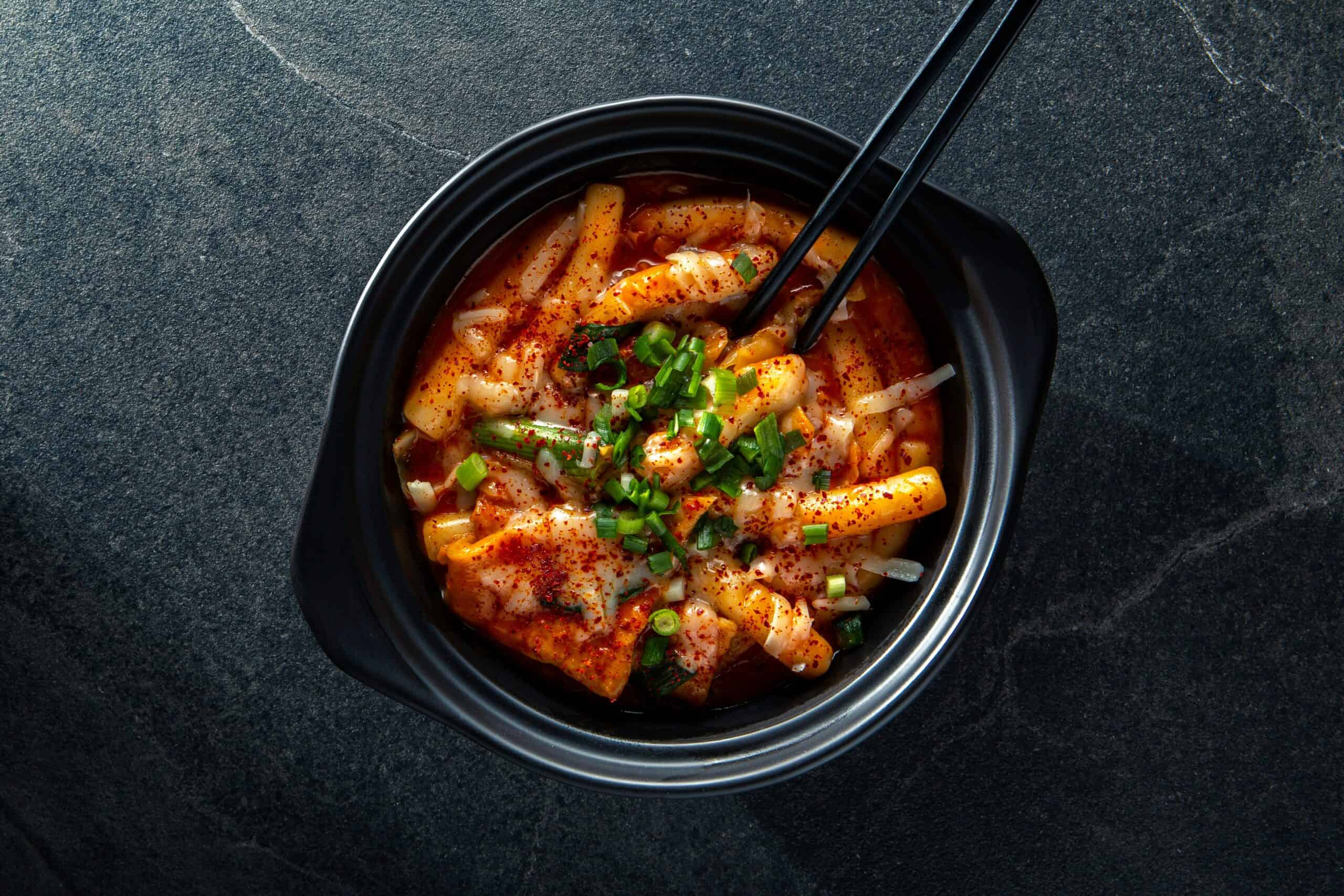
Not directly, and the folklore is pointing at something real. Whether eating spicy food before bed causes nightmares comes down to a mechanism nobody puts on a menu: spicy and fatty food causes more awakenings, more awakenings happen during dreaming sleep, and dreams you wake out of are the ones you remember.
So the dreams may not change at all. You just catch more of them. Our guide to why you cannot remember your dreams covers the recall side of the same mechanism.
A Quick Note
This is general information, not medical advice. Frequent nightmares, night-time reflux and disrupted sleep can all have causes that deserve proper assessment. Anyone with regular heartburn at night, or distressing nightmares, should raise it with a doctor rather than treating it as a food habit.
Quick Answer
Spicy food raises the chance of reflux, raises body temperature slightly, and keeps digestion active, all of which fragment the second half of the night. Fragmented sleep means more awakenings from REM sleep, and waking during REM is what makes a dream memorable. The content is probably no worse. Your recall is better.
Key Takeaways
- No direct link between capsaicin and nightmare content exists.
- More awakenings means more remembered dreams, good and bad.
- Reflux is the main mechanism, and lying flat makes it worse.
- Body temperature rises slightly, which fragments sleep.
- Meal size and fat content matter as much as spice.
- Late REM is when most vivid dreaming happens.
| Effect of a late spicy meal | What it does to the night |
|---|---|
| Reflux while lying flat | Wakes you, often without you noticing why |
| Small rise in body temperature | Works against the cooling sleep depends on |
| Active digestion | Lighter, more fragmented sleep |
| Fat content slowing emptying | Extends all of the above |
| More awakenings from REM | Better dream recall, not worse dreams |
| Shorter total sleep | REM rebound the following night |
Why Waking Up Is What Makes a Dream Memorable
Dreaming happens through the night, concentrated in REM sleep, and REM periods get longer toward morning.
Most dreams are never recalled, because the memory does not consolidate unless you wake during or immediately after them.
Anything that increases awakenings therefore increases the number of dreams you remember. The dreams were happening regardless.
That is the whole trick behind the spicy food claim. Our guide to understanding sleep cycles covers where REM sits, and our guide to why you dream so much covers the same effect from other causes.
Reflux Is the Main Culprit
Why lying down matters
Upright, gravity keeps stomach contents where they belong. Flat, that help disappears.
What spice contributes
Capsaicin can relax the lower esophageal sphincter and irritate an already sensitive esophagus. Both make reflux likelier.
Why you may not notice
Reflux can wake you briefly without producing obvious heartburn. You register a disturbed night without a cause.
What helps
Time between eating and lying down, a smaller meal, and elevating the head of the bed rather than stacking pillows.
The Temperature Angle
Sleep onset and maintenance both depend on core temperature falling. Spicy food produces a small thermogenic effect and can cause flushing and sweating.
That runs against the direction your body is trying to move overnight. The effect is modest and it is not nothing.
It also compounds anything else warming you. A hot room plus a spicy meal is a worse combination than either alone.
Our guide to the best bedroom temperature for sleep covers the room, and our guide to reducing night sweats covers the case where overheating is already a problem.
Size and Fat Matter More Than Heat
A large meal is the bigger variable. Volume keeps digestion running, raises reflux risk and lightens sleep regardless of seasoning.
Fat slows gastric emptying, which extends every one of those effects further into the night. A rich curry is doing more through its fat than its chili.
That is why the same dish eaten at 6pm and at 10pm produces different nights. Timing changes more than recipe does.
Our guide to whether eating before bed affects sleep covers the general case this sits inside.
What About the Cheese Version of the Story
The claim that cheese causes strange dreams is the same folklore in a different food. The proposed chemistry, usually involving tryptophan or tyramine, does not support the specific effect.
The mechanism is again indirect. Cheese is fatty, it is often eaten late, and late fatty food fragments sleep.
Fragmented sleep produces recall. Recall produces the story.
The pattern generalizes: almost any food blamed for vivid dreams is a food commonly eaten late and slow to digest.
If You Want the Meal and the Night
- Leave three hours between the meal and bed. The single most effective change.
- Keep the portion moderate. Volume matters more than spice level.
- Watch the fat, not just the chili. Cream and oil extend everything.
- Elevate the head of the bed. A wedge or risers beat piling up pillows, which bends you at the wrong place.
- Sleep on your left side. Stomach anatomy makes reflux less likely on that side.
- Keep the room cool. It offsets the thermal effect.
- Skip the alcohol with it. Our guide to how alcohol affects sleep covers why the combination is worse than either part.
Testing It on Yourself
This is one of the few sleep questions you can settle personally, because the input is easy to control and the outcome is easy to notice.
Eat the same dish at two different times, a week apart, and note what you remember in the morning. Three hours before bed against one hour before bed is the comparison worth running.
Keep everything else steady. Alcohol, room temperature and bedtime all move dream recall on their own, so changing two things at once tells you nothing.
If the late night produces more remembered dreams and the early one does not, timing was the variable rather than the spice. That is the usual result.
When Vivid Dreams Are Not About Dinner
Several things produce vivid dreaming far more reliably than food does. REM rebound after sleep deprivation is one, which is why a recovery night can be intense.
Stress and anxiety raise nightmare frequency directly. So does withdrawal from alcohol and from some medications.
Certain prescriptions list vivid dreams or nightmares among their effects, and that is worth checking before rearranging your diet.
Our guide to why dreams are sometimes vivid covers the fuller list of causes.
Sources
- American Academy of Sleep Medicine, patient guidance on sleep hygiene and nightmares
- National Institute of Neurological Disorders and Stroke, patient information on sleep and dreaming
Frequently Asked Questions
Does eating spicy food before bed cause nightmares?
Not directly. Spicy food raises the chance of reflux, warms you slightly and keeps digestion active, all of which cause more awakenings. Since you only remember dreams you wake out of, the result is better dream recall rather than worse dreams.
Why do I remember more dreams after a heavy meal?
Because fragmented sleep means more awakenings, and REM periods get longer toward morning. Waking during or just after a dream is what allows the memory to consolidate. The dreams were happening either way.
Is reflux really the main mechanism?
It is the clearest one. Lying flat removes gravity’s help, and capsaicin can both relax the lower esophageal sphincter and irritate the esophagus. Reflux can wake you briefly without producing obvious heartburn.
Is the cheese and nightmares story true?
Same folklore, same indirect explanation. The proposed chemistry does not support a specific dream effect. Cheese is fatty and often eaten late, and late fatty food fragments sleep, which produces recall.
Does spice matter less than portion size?
Usually yes. Meal volume and fat content do more to your night than heat level does. A rich curry is acting mainly through its fat, which slows stomach emptying and extends every other effect.
How long before bed should I stop eating?
About three hours for a substantial or spicy meal. That gives the stomach time to empty and lets your core temperature start its overnight fall before you lie down.
Does sleeping position help?
The left side tends to reduce reflux, because of where the stomach sits relative to the esophagus. Elevating the head of the bed helps more than stacking pillows, which bends you at the waist rather than raising your torso.
When should you see a doctor about this?
See a doctor if you get heartburn at night regularly, if nightmares are frequent or distressing, or if you wake repeatedly without knowing why. Vivid dreams are also listed among the effects of several medications, which is worth reviewing.
