
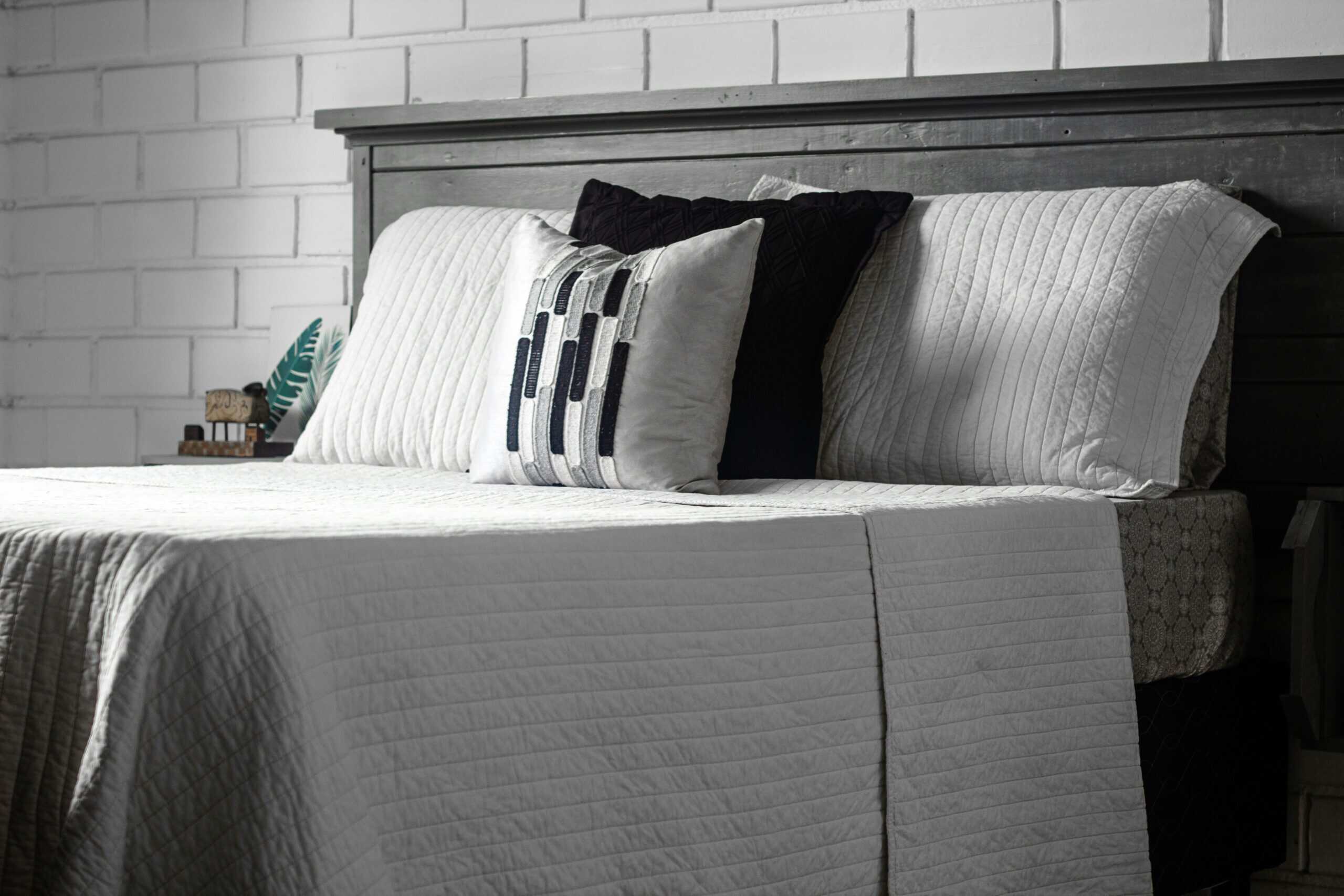
For many people with scoliosis, a supportive medium-firm mattress that keeps the spine in a neutral line while cushioning pressure points tends to be the most comfortable choice. The best mattresses for scoliosis balance firm underlying support with a contouring comfort layer, so the hips and shoulders are relieved without letting the midsection sag. Comfort is personal, and a mattress is a comfort tool, not a treatment, so it helps to pair this reading with a conversation with your own clinician. If you are new to mattress shopping, our primer on matching firmness to your body and sleep position is a useful starting point.
Medical Disclaimer
This guide is for general information about mattress comfort and is not medical advice. Scoliosis varies widely from person to person, and only a qualified clinician can assess your spine and recommend care. A mattress does not diagnose, treat, or correct scoliosis. If you have pain, a changing curve, or questions about your condition, speak with your doctor before making decisions about sleep equipment.
Quick Verdict
For most people with scoliosis, the DreamCloud Hybrid is a sensible starting point: a supportive coil core with a contouring top that keeps the spine neutral while easing pressure. Side sleepers who want deeper cushioning often prefer the Nectar Classic, heavier or back-dominant sleepers the firmer Bear Original, and budget shoppers the Lucid Hybrid. Choose supportive comfort for your position, and confirm the fit with your clinician.
Key Takeaways
- A medium-firm feel suits many people with scoliosis because it supports the spine while cushioning pressure points.
- Support matters most: the mattress should stop the hips and midsection from sagging out of line.
- Side sleepers usually want more contouring; back and stomach sleepers usually want firmer support.
- A mattress is a comfort tool, not a medical device; it does not correct a spinal curve.
- Persistent or worsening back pain deserves a clinician’s assessment, not just a new mattress.
How We Picked the Best Mattresses for Scoliosis
We focused on the qualities that make a mattress comfortable for a curved spine: steady support that keeps the spine neutral, a contouring comfort layer that relieves the shoulders and hips, and a feel that can be matched to a person’s sleep position. A medium-firm feel tends to be the balance most sleepers find comfortable, since it supports alignment without creating pressure.
We also weighed motion isolation for couples and edge support for easier movement. Every pick uses CertiPUR-US certified foam and works without a box spring on a solid or slatted base. None of these picks is presented as a remedy; they are comfort options to consider alongside professional guidance.
DreamCloud Hybrid
Why It Stands Out
The DreamCloud Hybrid pairs a pocketed-coil support core with plush-but-supportive foam, which is a combination many people with scoliosis find comfortable. The coils reinforce the midsection so the hips do not sink out of line, while the comfort layer eases the shoulders and lower back. Its medium-firm feel lands in the range that suits back and combination sleepers well.
Worth Knowing
As a taller hybrid it is heavier to move, and the surface reads firmer at the very edge. It sleeps cooler than dense all-foam beds thanks to the coil airflow. For sleepers who also wake with lower-back soreness, our notes on toppers that add targeted lumbar cushioning offer a low-cost adjustment.
Best for back and combination sleepers who want coil support with a supportive cushion. Skip it if you need a very plush, deep-contour surface or want the lightest possible bed.
Check Price on AmazonNectar Classic Memory Foam
Why It Stands Out
The Nectar Classic is an all-foam bed with a medium-firm feel and deep contouring that side sleepers with scoliosis often appreciate. Its layers cradle the shoulder and hip, which can be the pressure points that make side sleeping uncomfortable, while the firmer support base keeps the spine from bowing. Strong motion isolation makes it a good pick for shared beds.
Worth Knowing
Foam sleeps warmer than a coil bed, so breathable bedding helps in a warm room. The medium-firm feel reads plush to firm-mattress fans but firm to those who want a soft cradle. It takes a night or two to settle after unboxing.
Best for side sleepers who want pressure relief with dependable support. Skip it if you sleep hot without cooling bedding or want the bounce of coils.
Check Price on AmazonBear Original
Why It Stands Out
The Bear Original leans firmer and more responsive, which suits heavier sleepers and back or stomach sleepers who need clear support under the midsection. That firmer platform keeps the spine level and resists the sagging that can aggravate discomfort. The responsive foam also makes it easy to shift positions during the night.
Worth Knowing
The firm feel is a poor match for lighter side sleepers, who usually want more give at the shoulder and hip. Like most foam beds it runs warm. If you sleep on your back, our guide to beds that stay cooler through the night pairs well with a firmer foam pick.
Best for heavier sleepers and back or stomach sleepers who want firm, level support. Skip it if you are a lighter side sleeper who needs deeper cushioning.
Check Price on AmazonCasper Original
Why It Stands Out
The Casper Original uses zoned support, firmer under the hips and softer under the shoulders, which is a thoughtful match for a spine that needs both alignment and relief. That zoning helps keep the midsection lifted while cushioning the shoulder, a balance many combination sleepers find comfortable. The neutral medium feel works across positions.
Worth Knowing
The zoned feel is subtle rather than dramatic, so sleepers wanting an obviously firm or obviously plush bed may look elsewhere. As an all-foam bed it sleeps warmer than a hybrid. Zoned foam also depends on an even, gap-free base to work as intended, so our guide to mattresses that suit slatted platform frames is worth a look if your bed sits on slats. It is a strong all-rounder when you are unsure which feel suits you.
Best for combination sleepers who want zoned support that lifts the hips and eases the shoulders. Skip it if you have a firm preference for a very firm or very soft surface.
Check Price on AmazonTuft and Needle Original
Why It Stands Out
The Tuft and Needle Original uses a responsive open-cell foam with a balanced medium feel, giving supportive comfort at a friendly price. Its buoyant surface keeps sleepers from feeling stuck, which helps anyone who changes position to relieve pressure through the night. The even support suits back and combination sleepers.
Worth Knowing
It leans firmer than plush memory foam, so dedicated side sleepers who want deep cradling may find it flat. The responsive foam sleeps cooler than dense memory foam. It is a sensible value entry for a supportive, position-flexible bed.
Best for value shoppers who want responsive, even support. Skip it if you specifically want the slow, sink-in memory foam hug.
Check Price on AmazonLucid Hybrid
Why It Stands Out
The Lucid Hybrid rounds out the list as the budget hybrid option, pairing a foam comfort layer with a pocketed-coil core for support and airflow. It brings some of the midsection reinforcement of pricier hybrids at a lower price, which suits shoppers who want coil support without stretching the budget. The medium feel is forgiving across positions.
Worth Knowing
Budget hybrids trade some durability and edge support for the lower price, so nightly-use owners should weigh a step up over the years. Confirm the height suits your base and frame. It is a solid entry point into supportive hybrid comfort.
Best for budget shoppers who want coil support and airflow. Skip it if you want premium longevity or the deepest contouring.
Check Price on AmazonScoliosis Mattresses at a Glance
| Mattress | Type | Feel | Best for | Cooling |
|---|---|---|---|---|
| DreamCloud Hybrid | Pocketed hybrid | Medium-firm | Back and combination sleepers | Good |
| Nectar Classic Memory Foam | All-foam | Medium-firm | Side sleepers wanting cushion | Average |
| Bear Original | All-foam | Firm | Heavier and back sleepers | Above average |
| Casper Original | Zoned foam | Medium | Combination sleepers | Above average |
| Tuft and Needle Original | All-foam | Medium, buoyant | Value support | Above average |
| Lucid Hybrid | Pocketed hybrid | Medium | Budget coil support | Good |
How to Choose a Mattress With Scoliosis
Lead With Support
The most important job is keeping the spine neutral, which means the mattress must stop the hips and midsection from sinking below the rest of the body. A supportive core, whether pocketed coils or firm base foam, does this. A surface that is too soft lets the spine bow, which can add discomfort.
Add Contouring for Pressure Points
Support alone is not enough; a comfort layer that cushions the shoulders and hips relieves the pressure points that scoliosis can make more noticeable. The goal is pairing alignment with pressure relief rather than chasing maximum firmness. Aim for that balance.
Match Firmness to Your Sleep Position
Side sleepers generally want a slightly softer, more contouring surface at the shoulder and hip; back and stomach sleepers generally want firmer support to keep the midsection lifted. Your position, weight, and where you feel discomfort should guide the firmness you choose.
Bring Your Clinician Into the Decision
Because scoliosis is individual, general shopping advice cannot replace a personal assessment. Mayo Clinic describes scoliosis as a sideways curvature whose management is decided case by case, which is why a clinician’s input matters before you change your sleep setup.1 If you use a brace, have had spinal surgery, or notice new numbness or radiating pain, those are questions for your care team, not a mattress purchase.
Do Not Overlook the Pillow
A mattress sets the foundation, but the pillow decides how the neck continues that line. A pillow that is too high or too flat can tip the head out of alignment even on an excellent mattress, so it is worth choosing the two together. Side sleepers usually need a loftier pillow to fill the shoulder gap, while back sleepers need a thinner one to avoid pushing the head forward.
Firm vs Medium-Firm for Scoliosis
When Firmer Helps
Heavier sleepers and those who sleep on the back or stomach often do better on a firmer surface, because it resists sinking and keeps the spine level. If a medium-firm bed lets your hips dip, a firmer pick may feel more supportive.
When Medium-Firm Is the Safer Default
For most people, and especially side sleepers, a medium-firm feel offers support plus enough give to cushion the shoulder and hip. It is the balanced middle that suits the widest range of bodies and positions, which is why it is a common starting recommendation.
Common Scoliosis Mattress Misconceptions
The Right Mattress Fixes Scoliosis
It does not. A mattress can make sleep more comfortable and keep the spine neutral overnight, but it cannot correct a spinal curve. Treatment decisions belong with a clinician, not a mattress purchase.
Firmer Is Always Better
A rock-hard bed can add pressure at the shoulder and hip and is not automatically more supportive. The goal is balanced support with pressure relief, which usually points to medium-firm rather than the firmest option available.
Any Pain Means You Need a New Mattress
Persistent or worsening back pain can have many causes, and a new mattress is not a substitute for evaluation. If pain is ongoing, changing, or severe, see your doctor rather than assuming the bed is the problem.
Recommended Reading
- Mattresses that flex with an adjustable base
- Low-profile mattresses for fold-away wall beds
- Pillows that help support the neck and stay cool
- When a foundation actually affects support
Frequently Asked Questions
What is the best mattress firmness for scoliosis?
A medium-firm feel suits many people with scoliosis because it supports the spine while cushioning pressure points. Firmer surfaces can help heavier or back-dominant sleepers, while side sleepers often want a little more give. Your position and comfort should guide the exact firmness, ideally with your clinician’s input.
Is a firm or soft mattress better for scoliosis?
Neither extreme is ideal for most people. A very soft bed lets the spine sag, and a very firm one can add pressure at the shoulder and hip. A supportive medium-firm surface that keeps the spine neutral while relieving pressure is the common middle ground.
Can a mattress help with scoliosis pain?
A supportive, well-matched mattress can make sleep more comfortable and reduce pressure, which some people find eases nighttime discomfort. It is a comfort tool, not a treatment, and it will not correct a curve. Ongoing or worsening pain should be assessed by a clinician.
Should I see a doctor about my scoliosis before buying a mattress?
Yes. Scoliosis varies from person to person, and a clinician can assess your spine, explain your options, and flag anything a mattress cannot address. Use this guide for comfort ideas, but bring decisions about pain or a changing curve to your doctor first.
Do I need a special orthopedic mattress for scoliosis?
Not necessarily. The label “orthopedic” is not regulated, and what matters is supportive, balanced comfort rather than a marketing term. A quality medium-firm foam or hybrid that keeps the spine neutral is usually a better guide than the orthopedic label alone.
Is memory foam or a hybrid better for scoliosis?
Both can work. Memory foam offers deep contouring that side sleepers often like, while a pocketed-coil hybrid adds midsection support and airflow that back and combination sleepers tend to prefer. Choose based on your position, temperature needs, and comfort.
Does sleep position matter with scoliosis?
It can. Side sleeping usually calls for a more contouring surface and a loftier pillow to keep the spine and neck level, while back sleeping benefits from firmer support that lifts the midsection. There is no single correct position for scoliosis, so choose what stays comfortable through the night and raise persistent discomfort with your clinician.
Sources
- >Mayo Clinic. “Scoliosis: Symptoms and Causes.” https://www.mayoclinic.org/diseases-conditions/scoliosis/symptoms-causes/syc-20350716
More in this guide: our guide: how to relieve pain better sleep, our mattresses for sciatica guide, mattresses for side sleepers with shoulder pain, our picks for mattresses for athletes and recovery.
