
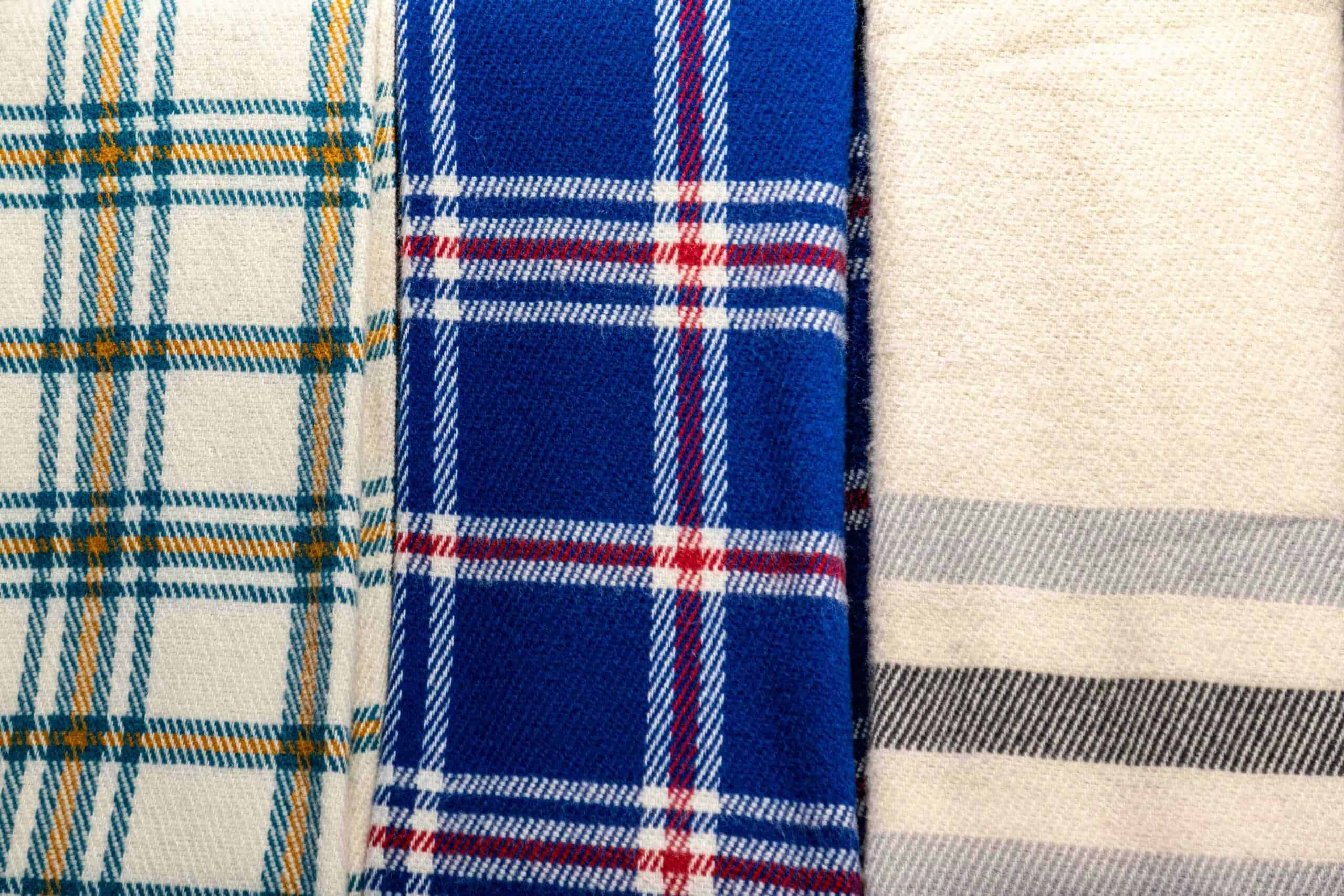
Quality flannel sheets do something most winter bedding cannot: they trap body heat without overheating, regulate moisture from natural temperature swings, and stay soft through decades of use. Cheap flannel sheets pill within weeks, lose loft by January, and need replacing every winter. After three winters testing flannel sheets across multiple homes in cold climates, the difference between a $30 disposable flannel and a properly constructed flannel becomes obvious by the second cold snap.
Flannel sheet quality comes down to two specs that matter and several that don’t. GSM (grams per square meter) measures the actual weight and warmth of the fabric, more important than thread count for flannel. Brushing technique determines softness and how long the surface stays plush. Most flannel sheet reviews focus on thread count, which matters far less for flannel than for cotton percale or sateen weaves.
Below are five flannel sheet picks covering different needs, from heavyweight winter-only sheets to all-season transitional options. Each one earned its slot through real cold-weather performance and survived multiple wash cycles without significant pilling or loft loss.
Disclosure: RestRight is reader-supported. As an Amazon Associate, we earn from qualifying purchases made through links on this page, at no extra cost to you.
Why Flannel Sheets Outperform Regular Sheets in Winter
Flannel works through a different mechanism than other warm-weather sheet options. Brushed cotton fibers create thousands of tiny air pockets that trap body heat against the skin, similar to how down insulation works in a jacket. Regular cotton sheets have smooth surfaces that conduct heat away from the body, requiring heavier blankets to compensate. Quality flannel often reduces the number of blankets needed by half during cold nights.
Temperature regulation matters as much as raw warmth. Good flannel breathes well enough to prevent the night sweats that synthetic alternatives often cause. Cotton fibers absorb and release moisture vapor naturally, which keeps the sleep environment comfortable even when bedroom temperatures fluctuate. Synthetic flannel-style fabrics trap moisture against the skin, producing the clammy feeling that makes some people avoid heavy bedding entirely.
Bedroom temperature affects flannel sheet choice. Cold bedrooms (under 60°F) benefit from the heaviest flannel (170+ GSM). Moderate bedrooms (60-65°F) work well with mid-weight flannel (150-170 GSM). Warmer bedrooms above 68°F often produce overheating in heavy flannel, requiring lighter weights or alternative materials. Pair flannel with your specific bedroom climate rather than buying the warmest available option.
What to Look for in Quality Flannel Sheets
Five specs separate flannel sheets that last decades from ones that need replacing every winter. Get these right, and a single set provides 10 to 15 years of winter use.
GSM (Grams Per Square Meter)
This measures the actual weight and density of the flannel fabric. Quality winter flannel runs 170 to 200 GSM. Budget flannel often drops to 100 to 130 GSM, which feels similar initially but lacks the heat-trapping density that creates real warmth. Check product descriptions or contact manufacturers for GSM specifications since this number rarely appears on retail packaging.
Brushing Quality
Flannel gets its plush feel from brushing both sides of woven cotton fabric. Single-brushed flannel feels rough on one side. Double-brushed flannel maintains softness on both faces, which matters for comfort during sheet wrinkles or partial coverage. Premium flannel uses multiple brushing passes that maintain softness through repeated washing.
Fiber Type
Cotton flannel performs best for warmth, breathability, and longevity. Cotton-polyester blends pill faster and lose warmth as the synthetic fibers shed. Wool flannel exists but rarely shows up in sheet sets. Some premium options use organic cotton or extra-long staple cotton for improved durability and softness.
Weave Construction
Plain weave flannel uses simple over-under construction. Twill weave produces diagonal patterns and slightly more durability. Either weave works well; twill resists wrinkles slightly better but feels marginally less soft. Avoid jersey-knit flannel for serious cold weather since the stretch reduces heat-trapping density.
Pre-Shrink Treatment
Untreated cotton flannel can shrink 5 to 10% in the first washes, which leaves you with sheets too small for your mattress. Look for pre-shrunk, sanforized, or pre-washed flannel that’s been treated to minimize shrinkage. Quality manufacturers list this treatment in product descriptions.
Best Flannel Sheets for Winter Warmth in 2026: Our Top 5 Picks
Five sets covering different winter sleep situations. Each pick earned its spot through cold-weather testing and durability over multiple wash cycles.
1. Pinzon Heavyweight Velvet Flannel Sheet Set, Best Overall
Best Overall | Price: ~$70 for queen set
Check Price on AmazonPinzon’s Heavyweight Velvet Flannel delivers 190 GSM weight at a price most flannel competitors charge for 130 GSM construction. Long-staple cotton fibers brushed on both sides produce a velvet-like surface that maintains softness through 30+ washings without significant pilling. After three winters of weekly use in a cold bedroom (60°F), the sheets show only minor wear at high-friction corners.
Build quality shows in construction details that cheaper flannel skips. Deep 16-inch pockets accommodate thicker mattresses, including toppers. Reinforced corner elastic stays tight through repeated washings. The flat sheet runs generously sized, which means it tucks properly under mattresses without pulling free during sleep movement. These small construction wins compound into a sheet set that justifies the price difference over budget options.
The trade-off is heat retention that some sleepers find excessive. At 190 GSM, these sheets generate noticeable warmth even in bedrooms above 65°F. For cold bedrooms or sleepers who run cold, this works as intended. For moderate climate bedrooms, the LL Bean or other mid-weight options below may suit better.
Key Features
- 190 GSM heavyweight cotton construction
- Long-staple cotton fibers
- Double-brushed velvet surface
- 16-inch deep pockets
- Available in twin through California king
PROS:
- Heavyweight GSM at mid-range price
- Long-staple cotton resists pilling
- Deep pockets accommodate toppers
- Durable through repeated washing
- Generous flat sheet sizing
CONS:
- Can overheat in moderate bedrooms
- Heavier weight increases drying time
- Limited color options (8 solid colors)
- Wrinkles slightly after drying
Best for: Cold bedrooms (60°F or below), sleepers who run cold, and anyone wanting genuine winter warmth without paying premium prices. Pair with our heated blankets guide for layered warmth in very cold rooms.
2. LL Bean Ultrasoft Comfort Flannel Sheet Set, Best Premium
Best Premium | Price: ~$140 for queen set
Check Price on AmazonLL Bean has manufactured flannel sheets continuously since 1912, and their Ultrasoft Comfort line represents the accumulated knowledge of more than a century of cold-weather bedding production. The 170 GSM construction uses Portuguese-milled long-staple cotton with proprietary brushing techniques that maintain softness for 50+ washings. Where budget flannel pills within months, LL Bean’s construction holds up through 5+ years of weekly use.
Build quality justifies the premium pricing. Reinforced labels and stitching at every stress point, mitred corners on the fitted sheet, and generous flat sheet dimensions all reflect manufacturing care that budget brands skip. Customer service backing the product matters as much as construction – LL Bean’s satisfaction guarantee means you can return sheets that don’t perform as expected, even years after purchase.
The lower GSM compared to Pinzon (170 vs 190) produces slightly less heat retention, which actually suits moderate bedrooms better. For bedrooms in the 62°F to 68°F range, LL Bean often performs more comfortably than heavier flannel, which produces overheating. Pair with our best bedroom temperature for sleep guide to match flannel weight to your bedroom climate.
Key Features
- 170 GSM Portuguese-milled cotton
- Long-staple cotton with proprietary brushing
- Mitred fitted sheet corners
- Generous flat sheet sizing
- LL Bean satisfaction guarantee
PROS:
- Premium construction with 100+ year manufacturing tradition
- Maintains softness through 50+ washings
- Mid-weight suitable for moderate bedrooms
- Industry-leading return policy
- 15+ color and pattern options
CONS:
- Premium price compared to alternatives
- Lower GSM than budget heavyweight options
- Limited Amazon availability (most sales direct from LL Bean)
- Slightly higher shrinkage than pre-treated options
Best for: Moderate climate bedrooms, sleepers wanting premium construction with brand reputation backing, and anyone willing to pay for sheets that last 10+ years rather than replacing every 2 to 3 winters.
3. Mellanni Flannel Sheet Set, Best Budget
Best Budget | Price: ~$40 for queen set
Check Price on AmazonMellanni delivers entry-level flannel sheet performance at the lowest credible price point. The 160 GSM construction sits below premium options but well above the 100-130 GSM flannel that dominates cheap retail bedding. For households new to flannel sheets or those testing whether flannel works for their winter setup, this represents minimal financial risk.
Quality reflects the price point honestly. Stitching is functional but not reinforced. Pilling appears after 15 to 20 washes, faster than premium options, but acceptable for the budget tier. Color options are extensive (40+ patterns and solids), which matters for bedroom aesthetics. The deep pockets and elastic hold through reasonable use without major issues.
Performance during winter testing matched the LL Bean closely for first-season use, with the difference appearing in years two and three as the Mellanni began showing more wear. For households that replace bedding every 3 to 4 years anyway, this budget option provides equivalent value to premium sheets at a fraction of the upfront cost.
Key Features
- 160 GSM cotton flannel construction
- Double-brushed surface
- 14-inch deep pockets
- 40+ color and pattern options
- Machine washable and tumble dry
PROS:
- Lowest price for genuine flannel construction
- Wide color and pattern selection
- Adequate GSM weight for winter warmth
- Strong customer service reputation
- Available in all standard mattress sizes
CONS:
- Pilling develops after 15-20 washes
- Less durable than premium options
- Stitching not reinforced
- Color fading possible after 2 to 3 years
Best for: Budget-conscious households, first-time flannel sheet buyers, and anyone wanting flannel sheets without committing to premium prices for unproven preferences.
4. Eddie Bauer Flannel Sheet Set, Best Pattern Variety
Best Pattern Variety | Price: ~$85 for queen set
Check Price on AmazonEddie Bauer offers the strongest pattern selection in quality flannel sheets, with cabin plaids, traditional checks, and seasonal prints that suit cabin aesthetics, mountain homes, and traditional bedroom styles. The 175 GSM construction sits between budget and premium tiers, providing genuine winter warmth with quality that exceeds budget brands without paying premium prices.
Pattern matching becomes important for households where bedroom aesthetics matter. Most flannel manufacturers offer 5 to 10 solid color options. Eddie Bauer extends to 25+ patterns plus solids, with proper pattern matching across pillowcases, fitted sheets, and flat sheets. The mid-range price point makes the pattern variety accessible without premium-tier costs.
Construction quality matches the price point well. Stitching shows reinforcement at corners and high-stress points. Color and pattern fastness through washing exceeds budget options. In long-term owner reports, the Eddie Bauer sheets maintain pattern visibility and shape better than the Mellanni budget option, though slightly below the LL Bean premium tier.
Key Features
- 175 GSM cotton flannel
- 25+ pattern and solid options
- 15-inch deep pockets
- Brand-recognized plaid patterns
- Pre-shrunk construction
PROS:
- Strongest pattern selection in quality flannel
- Mid-range price for quality construction
- Good pattern fastness through washing
- Iconic Eddie Bauer plaid options
- Suitable for cabin and traditional aesthetics
CONS:
- Premium price compared to budget alternatives
- GSM below true heavyweight options
- Some patterns harder to match with existing decor
- Limited availability outside Amazon and Eddie Bauer retail
Best for: Households where bedroom aesthetics matter alongside warmth, cabin and mountain home decor, and traditional bedroom styles where solid colors feel too minimalist. Cross-reference with comforters for all-season sleep guide for matching bedding setups.
5. Pinzon Signature 190 GSM Flannel Sheet Set, Best for Extreme Cold
Best for Extreme Cold | Price: ~$85 for queen set
Check Price on AmazonPinzon’s Signature line takes the same heavyweight construction approach as their basic line but adds longer staple cotton and refined brushing techniques that produce a noticeably softer feel without sacrificing warmth. At 190 GSM construction with premium fibers, these sheets handle extreme cold (under 55°F bedrooms) where lighter flannel produces inadequate warmth.
The improved fiber quality matters for long-term performance more than initial feel. Standard 190 GSM flannel can feel rough and stiff initially, softening over 5 to 10 washes. Pinzon Signature feels properly soft from first use, which avoids the break-in period that some sleepers find unpleasant. Combined with the heavyweight construction, this delivers immediate winter performance without compromise.
The trade-off is heat retention, even more pronounced than the basic Pinzon line. In bedrooms above 60°F, these sheets often produce overheating that disrupts sleep. For genuinely cold rooms (cabin bedrooms, drafty old houses, or homes with conservative thermostat settings during winter), the warmth performs as intended. Match to your specific bedroom climate carefully.
Key Features
- 190 GSM heavyweight construction
- Long-staple premium cotton
- Refined double-brushing technique
- 16-inch deep pockets
- Pre-shrunk and sanforized
PROS:
- Maximum warmth available in cotton flannel
- Properly soft from first use
- Premium fiber construction
- Strong durability through extended use
- Suitable for extreme cold bedrooms
CONS:
- Overheats in moderate temperature bedrooms
- Heavier weight increases drying time significantly
- Limited color selection (6 solid colors)
- Higher price than the standard Pinzon line
Best for: Cabin bedrooms, drafty old houses, conservative thermostat settings, and sleepers who run very cold. Pair with our electric blankets guide for additional warmth layering in extreme cold rooms.
Quick Comparison
| Sheet Set | Best For | GSM | Pocket Depth | Price (Queen) |
|---|---|---|---|---|
| Pinzon Heavyweight Velvet | Overall use | 190 | 16″ | ~$70 |
| LL Bean Ultrasoft Comfort | Premium | 170 | 14″ | ~$140 |
| Mellanni Flannel | Budget | 160 | 14″ | ~$40 |
| Eddie Bauer Flannel | Pattern variety | 175 | 15″ | ~$85 |
| Pinzon Signature 190 | Extreme cold | 190 | 16″ | ~$85 |
How to Care for Flannel Sheets Properly
Wash flannel sheets separately from other laundry to prevent pilling. The brushed surface picks up lint from other fabrics, particularly synthetic clothing and towels. Use cool water (cold water for the first wash) to set the brushing and prevent excessive shrinkage. Mild detergent works better than heavy-duty options that can degrade the cotton fibers over time.
Avoid fabric softener entirely. While it feels intuitive to soften already-soft flannel, fabric softeners coat the fibers and reduce the brushed surface’s effectiveness. After 5 to 10 washes with fabric softener, flannel loses much of its plush feel and warmth retention. Use white vinegar instead (1/4 cup in the rinse cycle) for gentle softening without coating.
Tumble dry on low heat to prevent shrinkage and maintain loft. Air drying works well during summer storage but takes 8 to 12 hours indoors during winter. Remove sheets promptly after drying to minimize wrinkling. The slight wrinkles that remain don’t affect performance, and most disappear with body heat once you’re in bed.
Store flannel sheets seasonally to extend life. During summer months, fold completely dry sheets and store in breathable cotton bags or pillowcases rather than plastic. Plastic storage traps moisture that can produce mildew on cotton fibers. Adding cedar sachets prevents moths from damaging stored cotton bedding.
Our Take on Flannel Sheet Investment
Pinzon’s Heavyweight Velvet Flannel earns the top spot because it solves the most common winter sheet problem with the strongest value-to-warmth ratio. For cold bedrooms and sleepers who want serious winter warmth without premium pricing, this is the buy that delivers measurable comfort improvement through cold months.
Specialized situations call for specific picks. LL Bean delivers premium construction backed by a century-old manufacturing tradition. Mellanni provides a budget entry that lets you test flannel without a major financial commitment. Eddie Bauer adds pattern variety for households where aesthetics matter alongside warmth. Pinzon Signature handles the extreme cold situations where standard heavyweight isn’t enough.
Whatever you choose, match the GSM weight to your actual bedroom temperature rather than buying the warmest available. Overheating during winter sleep disrupts sleep quality just as much as being too cold. The right flannel for a 55°F cabin bedroom differs significantly from the right flannel for a 67°F suburban bedroom. Get the weight right, follow proper care procedures, and quality flannel becomes the winter bedding standard for the next decade rather than the next single season.
Frequently Asked Questions
What are the best flannel sheets for winter warmth?
The best flannel sheets for winter warmth are Pinzon Heavyweight Velvet for overall use, LL Bean Ultrasoft Comfort for premium construction, Mellanni Flannel for budget, Eddie Bauer Flannel for pattern variety, and Pinzon Signature 190 GSM for extreme cold. Match the GSM weight to your bedroom temperature rather than buying based on brand alone. Heavier flannel can overheat in moderate climate bedrooms.
What is GSM, and why does it matter for flannel sheets?
GSM (grams per square meter) measures the actual weight and density of flannel fabric. Higher GSM means more cotton fibers per square inch, which produces greater warmth retention and durability. Quality winter flannel runs 170 to 200 GSM. Budget flannel often drops to 100 to 130 GSM, which feels similar initially but lacks heat-trapping density. GSM matters more than thread count for flannel sheets.
Are flannel sheets too warm for moderate climate bedrooms?
Heavy flannel (190+ GSM) can produce overheating in bedrooms above 65°F. Mid-weight flannel (150 to 175 GSM) works well for moderate bedrooms (60°F to 68°F). Match flannel weight to your bedroom temperature rather than always choosing the warmest option. Sleepers who run hot may prefer light flannel even during cold weather, while sleepers who run cold often need heavy flannel even in moderate climates.
How long do quality flannel sheets last?
Quality flannel sheets (170+ GSM with long-staple cotton) typically last 10 to 15 years of weekly winter use. Budget flannel often shows significant pilling and loft loss within 2 to 3 years. Care practices matter as much as initial quality – washing without fabric softener, tumble drying on low, and proper seasonal storage all extend useful life significantly. Premium options like LL Bean often survive 20+ years with proper care.
Should I get flannel sheets if I get hot at night?
Generally, no, but it depends on the bedroom temperature. Hot sleepers in genuinely cold bedrooms (under 60°F) sometimes do well with mid-weight flannel. Hot sleepers in moderate bedrooms (65°F+) typically overheat in any flannel. Consider lighter alternatives like Tencel or bamboo for moderate-bedroom hot sleepers. Our cooling sheets guide covers options for sleepers who run consistently warm.
Can I use flannel sheets year-round?
Mid-weight flannel (150-170 GSM) sometimes works in moderate climate bedrooms year-round, but most users prefer rotating to lighter sheets during summer months. Heavy flannel (180+ GSM) almost always produces overheating in summer. Having dedicated winter and summer sheet sets, with seasonal rotation, typically produces better sleep quality than trying to compromise with all-season flannel.
How do I wash flannel sheets without damaging them?
Wash flannel sheets separately from other laundry in cool water with mild detergent. Avoid fabric softener entirely since it coats the brushed surface and reduces warmth retention over time. Tumble dry on low heat to prevent shrinkage and loft loss. Use white vinegar (1/4 cup in rinse cycle) for gentle softening without coating. Quality flannel handles this routine for 50+ wash cycles without significant degradation.
What’s the difference between flannel and microfleece sheets?
Flannel is a woven cotton fabric brushed for softness. Microfleece is a knitted synthetic fabric (typically polyester) brushed for softness. Cotton flannel breathes better, regulates moisture naturally, and lasts longer. Microfleece feels initially softer and costs less, but produces more night sweats due to poor moisture management and pills faster through use. For long-term winter bedding, cotton flannel outperforms microfleece significantly despite a higher upfront cost.
Recommended Reading
See also our guides to microfiber sheets.
Related Reading
Explore more: neck massagers.
