
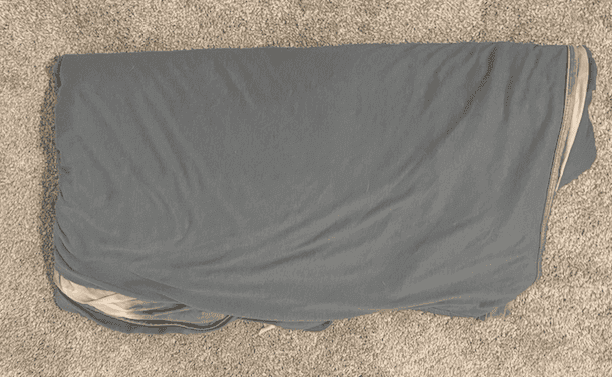
A cooling blanket pulls heat off your skin instead of trapping it, which keeps a hot sleeper from waking up sticky in the middle of the night. The best cooling blankets use smooth, heat-conducting fibers or breathable natural weaves that feel cool to the touch and let sweat evaporate. I run hot and sleep under one every night, so this guide ranks the styles that actually move heat, from slick double-sided blankets to airy bamboo. Layer one over cooling sheets and the whole bed stays a few degrees easier.
Quick Verdict
A smooth double-sided cooling blanket with a high Q-Max rating suits most hot sleepers, since the cool-to-the-touch side wicks body heat fast. Dealing with night sweats or a humid room? A breathable bamboo or waffle-weave blanket moves air better and dries quicker between washes. Not sure which layer to add? Compare a cooling blanket vs cooling topper. Pairing one with a topper is a common question, answered in using a cooling blanket and topper together.
Key Takeaways
- Cooling blankets work by conducting heat off your skin or breathing well enough to let sweat evaporate.
- A higher Q-Max rating signals a stronger cool-to-the-touch effect on double-sided synthetic blankets.
- Bamboo and cotton weaves breathe better and suit night sweats or a warm bedroom.
- Lightweight cooling throws cover naps and the couch without overheating.
- Wash on gentle and skip fabric softener, since it coats fibers and dulls the cooling feel.
Disclosure: RestRight is reader-supported. As an Amazon Associate, we earn from qualifying purchases made through links on this page, at no extra cost to you.
How We Picked the Best Cooling Blankets
Your core temperature has to drop a little for sleep to start, so bedding that traps heat works against your body’s own wind-down signal. We weighed how fast each blanket moves heat away, how well it breathes in a warm room, and how it holds the cooling feel after repeated washing. For more on this, see our guide to washing a cooling blanket.
We split the field into slick heat-conducting blankets and breathable natural weaves so you can match the blanket to why you overheat. Picks draw on product specs, fiber behavior, and common use, not lab testing.
Double-Sided Cooling Blanket
Why It Stands Out
A double-sided cooling blanket pairs a slick, heat-conducting face with a softer warm side, so you flip to the cool side on hot nights and back when the room drops. The cool face draws warmth off your skin the moment you touch it, which is the closest thing to a reset when you wake up overheated. This is the style I reach for every night, and the cool side is what gets me back to sleep when I run hot.
Worth Knowing
The cooling face feels strongest on bare skin and fades a bit once your body warms the spot, so larger sizes give you fresh cool patches to shift to. Look for a stated Q-Max value, since that number tracks the cool-to-the-touch punch.
The everyday choice if you run hot under a normal blanket. Sleepers who feel cold most nights will want the warm side up or a lighter throw instead.
Bamboo Viscose Cooling Blanket
Why It Stands Out
Bamboo viscose drapes light, breathes well, and moves moisture off your skin, which keeps the blanket from going clammy when you sweat. The fiber feels cool and smooth without the plasticky hand some synthetic blankets have.
Worth Knowing
Bamboo cools by breathing rather than by a slick surface, so it feels less icy on first touch than a double-sided blanket but stays comfortable longer. It needs gentle washing to keep the soft drape.
A strong pick for night sweats and humid bedrooms where airflow matters more than a cold surface. Anyone chasing that first cold-to-the-touch hit will prefer a Q-Max synthetic.
Waffle-Weave Cotton Blanket
Why It Stands Out
A waffle-weave cotton blanket traps small pockets of air in its texture, which lets heat escape and keeps the layer light across the seasons. Cotton washes easily and shrugs off the sweat that breaks down flimsier blankets.
Worth Knowing
Waffle weave breathes more than it actively cools, so it suits sleepers who want airflow over an icy surface. The open texture can snag on rough nails or jewelry.
Good for year-round use and warm sleepers who like a natural fiber. If you want a dramatic cold touch the second you climb in, this is not it.
Moisture-Wicking Cooling Blanket
Why It Stands Out
A moisture-wicking cooling blanket pulls sweat off your skin and spreads it across the fabric so it evaporates fast, which stops the damp, chilled feeling that follows a hot flash. The quick-dry surface resets between sweats instead of staying soggy.
Worth Knowing
Wicking blankets handle moisture better than raw surface coolness, so they pair well with a fan or an open window. Some use a performance-fabric face that feels more athletic than cozy.
Built for night sweats, hot flashes, and anyone who wakes up damp. Sleepers who stay dry but feel warm get more from a slick double-sided blanket.
Lightweight Cooling Throw
Why It Stands Out
A lightweight cooling throw gives you a slick, breathable layer for the couch, a nap, or travel without the bulk of a full bed blanket. It folds small and cools fast, so it earns a spot in a bag or on the end of the bed. Or weigh a cooling blanket vs a lightweight blanket.
Worth Knowing
A throw covers one person and rarely reaches across a queen bed, so it works as a companion piece rather than your main blanket. The thin build means less warmth on cooler evenings.
The pick for naps, the sofa, and warm-weather trips. For full coverage on a shared bed, size up to a standard cooling blanket.
Cooling Summer Coverlet
Why It Stands Out
A cooling summer coverlet is a thin, breathable bed layer that replaces a heavy comforter through the warm months. It gives you the weight of a made bed and a covered feeling without the heat a thick duvet holds in.
Worth Knowing
A coverlet trades insulation for airflow, so it shines in summer and leaves you reaching for a warmer layer once nights cool. Lighter fills can shift inside the quilting over time.
Best as a seasonal swap for hot summer bedrooms and warm climates. Year-round cold sleepers will want a cooling comforter with a touch more loft.
Cooling Blanket Comparison at a Glance
| Pick | How it cools | Best for | Trade-off |
|---|---|---|---|
| Double-sided | Slick heat-conducting face | Hot sleepers, cold-touch feel | Cool face warms in place |
| Bamboo viscose | Breathable, wicking | Night sweats, humid rooms | Less icy on first touch |
| Waffle-weave cotton | Airflow through texture | Year-round, natural fiber | Texture can snag |
| Moisture-wicking | Spreads sweat to evaporate | Hot flashes, damp waking | Athletic feel, not cozy |
| Lightweight throw | Slick, thin layer | Naps, couch, travel | Covers one person |
| Summer coverlet | Thin breathable bed layer | Summer swap, warm climates | Too light when cold |
How to Choose a Cooling Blanket
Match the Fiber to Why You Overheat
Pick a slick double-sided blanket if you feel warm but stay dry, since the cold face resets you fast. Choose bamboo or wicking fabric if you sweat, because breathing and moisture control matter more than a cold surface for damp sleepers.
Check the Q-Max Number
Q-Max measures how cool a fabric feels the instant you touch it, and a higher value means a stronger cold hit. Synthetic cooling blankets that list the number give you a way to compare the cold-touch effect before you buy. I lean on the cool side of mine most nights, so that rating earns its place near the top of my checklist.
Size It to Your Bed and Sleepers
A blanket that drapes past the mattress edges gives you fresh cool patches to shift to and stops a partner from tugging it off. Measure your bed and size up if two of you run hot under the same layer.
Care for the Cooling Finish
Wash cooling blankets on a gentle cycle and skip fabric softener, which leaves a film that blunts the cool touch and clogs breathable weaves. Air drying or low heat protects the fibers that do the cooling work. A clean blanket pairs well with cooling pillows for a head-to-toe setup.
Double-Sided vs Bamboo Cooling Blankets
Double-Sided: The Cold-Touch Hit
A double-sided blanket delivers the strongest cold-to-the-touch feel, which is why it wins for sleepers who wake up hot and want a fast reset. The cool face warms where your body rests, so a roomier size helps you slide to a fresh spot.
Bamboo: Steady Breathability
Bamboo cools by breathing and wicking rather than by a slick surface, so it feels less icy at first but stays even through the night. It handles sweat and humidity better, which makes it the calmer choice for damp sleepers over a dramatic cold hit.
Who Cooling Blankets Help Most
Sleepers Who Run Hot
If you kick a leg out from under the covers most nights, a cooling blanket gives you that relief without leaving you uncovered. I run hot and used to wake up around 2 a.m. to throw the blanket off, and a slick cooling layer cut that down by giving me a cool side to flip to instead of bare air. The blanket carries heat away from your skin, so you stay covered and still feel the drop.
Night Sweats and Hot Flashes
Sweat is the issue here more than raw warmth, so the blanket has to dry fast and keep airflow moving. Bamboo and moisture-wicking blankets pull dampness off your skin and spread it to evaporate, which heads off the clammy chill that follows a hot flash. A slick synthetic feels good on contact but can hold moisture against you if you sweat a lot.
Couples With a Temperature Mismatch
When one of you runs hot and the other stays cold, a shared comforter turns into a nightly tug of war. A cooling blanket on the hot sleeper’s side, paired with a warmer layer on the other, lets each person set their own temperature in the same bed. A double-size cooling blanket also stops the warm sleeper from stealing the whole thing.
Do Cooling Blankets Actually Work
What the Cooling Can Do
A cooling blanket moves heat off your skin and breathes well enough to let sweat evaporate, so it keeps you from overheating under a layer that would otherwise trap warmth. The effect is real and immediate on contact, and it buys you a cooler, drier night when the rest of your setup is reasonable. Think of it as the layer that stops your own body heat from building up.
What It Cannot Fix
A blanket cannot chill a hot room or pull heat out of a mattress that stores it under you all night. If you sink into warm memory foam or sleep in a stuffy bedroom, the blanket fights a losing battle on its own. Pair it with a cooling mattress or a fan, and treat the blanket as one piece of the temperature system rather than the whole answer.
Recommended Reading
- cooling blankets sized for kids
- lightweight blankets, soft, breathable layers for warm nights.
- Best cooling comforters for hot sleepers
- Best cooling weighted blankets
- Best mattresses for hot sleepers
- window insulation kits for quiet sleep
- waffle weave for airflow
Common Cooling Blanket Mistakes to Avoid
A few habits quietly cancel out the cooling you paid for.
Using Fabric Softener
Softener coats fibers with a waxy film that blocks the cool touch and seals breathable weaves. Wash with a gentle detergent and let the fabric do its job.
Pairing It With a Hot Mattress
A cooling blanket cannot fix a mattress that stores heat under you all night. If you sink into a warm memory-foam bed, add a cooling pad below before blaming the blanket.
Buying One Too Small
A blanket that barely covers you leaves no fresh cool patches and slides off a shared bed. Size up so the layer drapes the mattress and gives you room to move.
Expecting Forever-Cold
The cool face warms where your body presses it, so the cold feeling is a reset you return to, not a constant. Shifting to an untouched section brings the chill back.
Frequently Asked Questions
What is the best cooling blanket?
A double-sided cooling blanket with a high Q-Max rating works for most hot sleepers, since the slick face draws heat off your skin fast. If you sweat at night or sleep in a humid room, a breathable bamboo or moisture-wicking blanket suits you better because it manages dampness instead of just feeling cold.
How do cooling blankets work?
Some pull heat off your skin through smooth, conductive fibers that feel cool to the touch, while others breathe and wick so sweat evaporates and never traps heat. The first kind gives a cold-touch hit, and the second keeps airflow moving for damp sleepers.
What does Q-Max mean on a cooling blanket?
Q-Max measures how cool a fabric feels the moment your skin meets it, so a higher number points to a stronger cold-to-the-touch effect. It helps you compare slick synthetic blankets, though breathable bamboo and cotton cool through airflow rather than a Q-Max surface.
Are cooling blankets good for night sweats?
Moisture-wicking and bamboo blankets help most with night sweats, since they spread sweat to evaporate and keep the fabric from going clammy. Pair one with a fan or open window for the biggest difference on damp nights.
How do I wash a cooling blanket?
Use a gentle cycle with mild detergent and skip fabric softener, which films the fibers and dulls the cool touch. Air dry or tumble on low to protect the surface and weave that do the cooling.
Do cooling blankets stay cold all night?
The cool face feels coldest on first contact and warms where your body rests, so the chill is a reset you shift back to rather than a constant. A larger blanket gives you fresh cool sections to move toward through the night.
Are cooling blankets good in winter?
A double-sided blanket gives you a warmer reverse side, so you flip to it when the room cools and the bed stays comfortable year-round. A single-sided cooling throw or a thin coverlet runs too light for cold nights, so warm sleepers swap to a heavier layer in winter.
Can couples share a cooling blanket if one runs cold?
Yes, and a temperature mismatch is one of the best reasons to buy one. Put a cooling blanket on the hot sleeper’s side and a warmer layer on the cold sleeper’s side, or size up so the warm sleeper does not pull the whole blanket over.
Related Reading
Explore more: wearable blankets, and cooling pajamas.
Recommended Reading
See also our guides to cooling pajamas.
- On where this sits in the stack, why the order of your layers decides it.
- a quilt rather than a blanket
- bamboo versions specifically
- cheaper options that still work
- one sized for two people
- how to cool a bedroom for better sleep
- bedside fan versus tower fan
- bed cooling systems
Related: size cooling blanket should you get.
Related: cooling blanket last.
Related: do cooling blankets work in a hot room.
Related: cooling blanket vs fan.
Related: use a cooling blanket in winter.
Related: lightweight summer comforters.
Buying order matters more than most people realize. What to change first when you sleep hot covers where to start and what it costs.
