
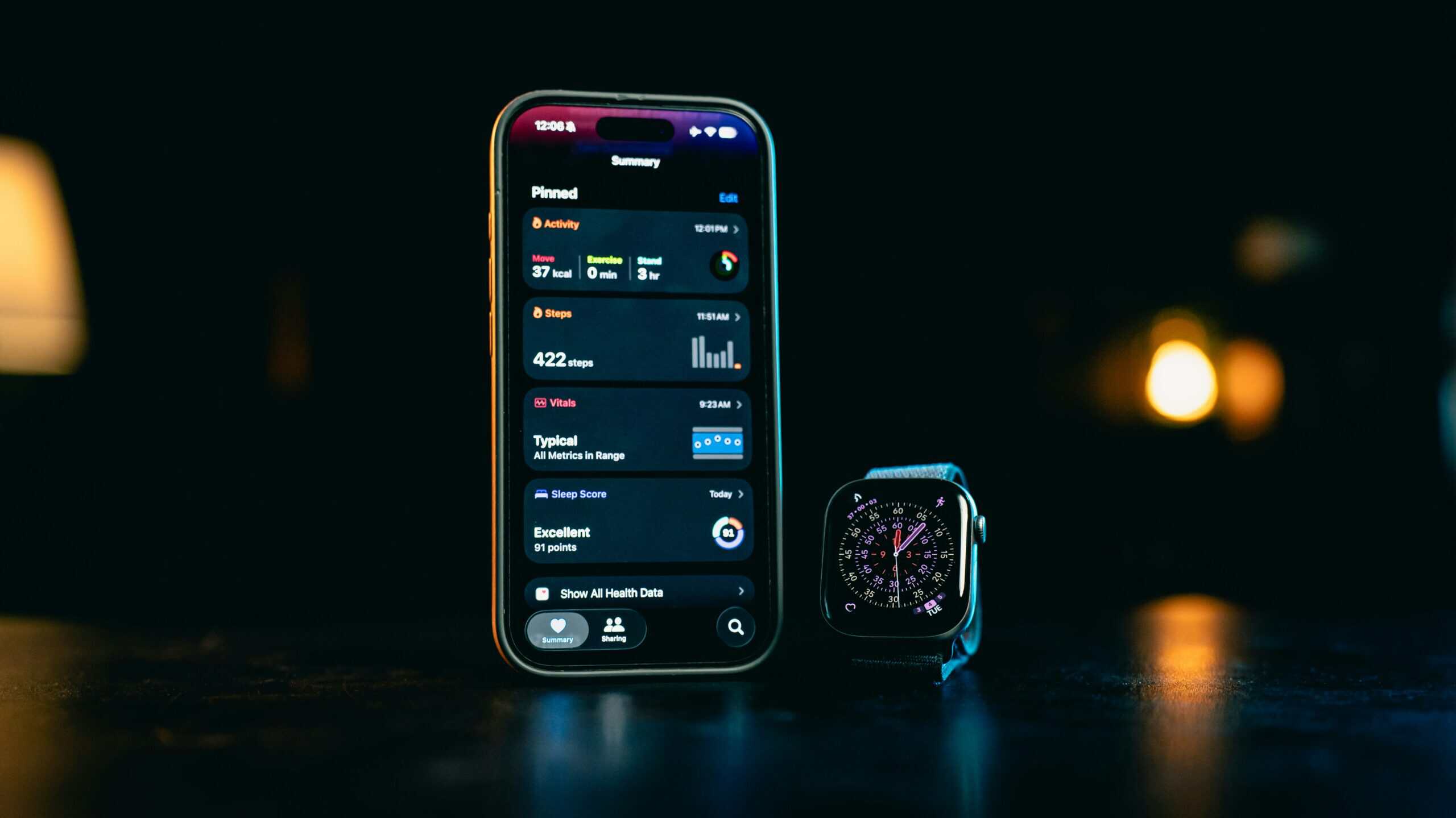
Some can flag signs of it, and none can diagnose it. Do sleep trackers detect sleep apnea in any meaningful sense? A handful of authorized features genuinely look for the pattern, while most trackers infer breathing from movement and heart rate and cannot see the channels an apnea is defined by.
Our roundup of sleep trackers covers what this hardware is good at, which is a different question from what it can diagnose.
Medical Disclaimer
This article is general information about consumer sleep technology and how it relates to medical sleep testing. It is not medical advice. No wearable result, flag or absence of a flag should be treated as a diagnosis or as a reason to start, change or avoid treatment. Only a clinician working from an appropriate diagnostic study can tell you whether you have sleep apnea.
Quick Answer
A small number of wearable features have regulatory authorization to detect signs of sleep apnea and prompt you to seek care. They screen rather than diagnose. Every other tracker infers sleep and breathing from movement, heart rate and sometimes sound, without measuring airflow, breathing effort or brain activity.
Key Takeaways
- Screening and diagnosing are different jobs, and wearables do the first at best.
- An apnea is defined by airflow, which wrist hardware does not measure.
- Wrist blood oxygen readings are usually a wellness feature, not a medical one.
- Authorized apnea features exist on some mainstream smartwatches.
- A flag is a reason to book an appointment, not a result to act on.
- No flag is not reassurance, because trackers miss cases.
- Tracker history is still useful to bring to that appointment.
| Channel | Typical wearable | Diagnostic sleep study |
|---|---|---|
| Airflow at nose and mouth | Not measured | Nasal pressure sensor and thermistor |
| Breathing effort | Not measured | Chest and abdomen belts |
| Brain activity | Not measured | Scalp electrodes |
| Brief arousals | Inferred at best | Scored from brain activity |
| Blood oxygen | Wrist sensor on some models, wellness-grade | Fingertip oximeter |
| Heart rate and variability | Optical sensor | Electrocardiogram leads |
| Movement and position | Accelerometer | Leg electrodes, video, position sensor |
| Snoring sound | Microphone on some phones and watches | Room microphone |
What a Wearable Actually Measures
Almost everything a tracker reports about your night is an inference from a short list of raw signals.
Movement comes from an accelerometer. Heart rate and its variability come from an optical sensor reading light reflected through the skin at your wrist.
Some models add a wrist oxygen sensor, a skin temperature sensor, and a microphone that listens for snoring. Breathing rate, where it appears, is usually derived from small movements and from heart rate rather than measured directly.
From those inputs an algorithm produces sleep stages, a sleep score and sometimes a breathing disturbance metric. The output looks precise, and the underlying measurement is indirect.
That is not a criticism of the hardware. It is the reason trend data is more trustworthy than any single night, and our guide to understanding sleep cycles covers what staging actually requires.
What an Apnea Event Requires
Here is the gap, and it is structural rather than a matter of better sensors arriving next year.
An apnea is a near-total stop in airflow lasting at least ten seconds. A hypopnea is a partial reduction over the same duration, with either a fall in blood oxygen or a brief arousal alongside it.
The American Academy of Sleep Medicine publishes the scoring rules that define both, and those definitions rest on airflow, effort and arousal.
A wrist device has none of those three channels. It cannot see air moving at your nose, it cannot separate an airway closing from a breathing drive that stopped, and it cannot score an arousal without brain activity.
So a tracker is working from downstream consequences: a dip in oxygen, a jump in heart rate, a shift in movement. Those consequences correlate with breathing events, which is why screening is possible at all.
The National Heart, Lung, and Blood Institute describes sleep apnea in terms of repeated interruptions in breathing with reduced blood oxygen, and it is that second half a wearable is attempting to catch.
Cleared Features Against Wellness Claims
What a general wellness feature is
Most sleep and oxygen features on consumer devices sit in a general wellness category. They carry no claim to detect or diagnose disease, and the fine print usually says so plainly.
What an authorized feature is
A small number of sleep apnea features have gone through regulatory review. The Food and Drug Administration authorizes such features with a defined intended use, and the use is detection of signs of sleep apnea followed by a prompt to seek evaluation.
Why the distinction is the whole answer
An authorized screening feature is allowed to tell you that a pattern consistent with apnea appeared. It is not allowed to tell you that you have apnea, because that determination needs a diagnostic study and a physician.
How to tell which one you have
Check your own device’s health documentation rather than its marketing page. Availability differs by model, by software version and by country, and the same brand may offer a feature in one region and not another.
What to Do If Your Tracker Flags Something
- Treat it as a prompt. Book an appointment rather than reaching a conclusion.
- Screenshot or export the notification. Bring the actual output, not a summary of it.
- Write down your symptoms separately. Sleepiness, morning headache, dry mouth, witnessed pauses.
- Ask your bed partner what they have noticed. Their account weighs more than the flag does.
- Expect a proper study to follow. A home apnea test or an in-lab night settles it.
- Do not buy treatment off the back of a flag. Devices sized to a diagnosis need the diagnosis first.
- Keep using the tracker if you like. Just stop asking it a question it cannot answer.
Our guide to telling whether snoring is sleep apnea covers the symptom picture worth assembling before that appointment, and our roundup of anti-snore devices covers a category people commonly reach for too early.
Where Tracker Data Is Genuinely Useful
Rejecting the diagnostic claim does not mean the data is worthless, and dismissing it outright misses the point.
Consistency is the tracker’s real strength. It records every night, which no clinical study does, so it shows patterns that a single recorded night cannot.
Bedtime and wake time drift shows up clearly. So does the relationship between a late night and how the following day went.
A long stretch of tracker history also makes a useful conversation opener, provided you present it as a pattern rather than as a finding. Our guide to being tired but unable to sleep covers the symptom that most often sends people to the data in the first place.
Trackers are useful after a diagnosis too. Adherence to treatment shows up in how you feel and how you sleep, and our roundup of CPAP accessories covers the equipment side of that stretch.
Related Reading
Frequently Asked Questions
Do sleep trackers detect sleep apnea?
A small number of authorized features can flag signs of it and prompt you to seek care. None can diagnose it. Most trackers infer breathing from movement and heart rate, without measuring airflow, breathing effort or brain activity, which is what an apnea is defined by.
Is the blood oxygen reading on my watch medical grade?
Usually not. Wrist oxygen sensors on consumer devices are generally general wellness features rather than medical ones, and readings shift with fit, movement, skin temperature and tattoos. A fingertip oximeter in a clinical setting is a different measurement.
My tracker says my breathing is normal, so am I fine?
No, and this is the more dangerous direction of error. A tracker without airflow or arousal channels can miss real events, especially milder ones. Persistent snoring, witnessed pauses or daytime sleepiness are worth investigating whatever a wearable reports.
Why can a wrist device flag anything at all then?
Because it catches the downstream effects of breathing events. Repeated dips in blood oxygen, jumps in heart rate and shifts in movement pattern correlate with apneas even though the airflow itself is invisible to the device. Correlation supports screening, not diagnosis.
Does a tracker flag help me get a sleep study ordered?
It can open the conversation, and bringing the actual notification is better than describing it. The order still rests on your symptoms, your history and a screening assessment, so document those alongside the data rather than leading with the device.
Are phone apps that record snoring any use?
For confirming that you snore and roughly how much, yes, and that is not nothing. A microphone cannot tell a noisy breath from a stopped one reliably, so a snoring recording indicates a symptom rather than identifying a breathing disorder.
Should I buy a tracker specifically to check for apnea?
If that is the only reason, no. A home apnea test ordered by a clinician answers the question directly and at less cost than a premium wearable. Buy a tracker for the habit and pattern data it gives you every night instead.
When should I see a doctor rather than watch the data?
See a doctor if anyone has witnessed you stopping breathing, if you snore heavily and wake unrefreshed, if you have morning headaches or a dry mouth most days, or if you feel sleepy enough during the day to doze off. Seek prompt care if you are falling asleep while driving.
Sources
- Food and Drug Administration. Authorization of sleep apnea detection features in consumer devices.
- American Academy of Sleep Medicine. Scoring rules for respiratory events and consumer sleep technology.
- National Heart, Lung, and Blood Institute. Sleep apnea: what it is.
